Sunday, 21 March 2021

Forget YouTubers: Japanese Kids Want to Be Office Workers

A recent survey by insurance company Daiichi Seimei Hoken asked 3,000 kids aged six to 18 what they wanted to be when they grew up. 

Until now, popular choices were football (soccer) or baseball player for kids and pastry chef/confectioner for girls, or idol and YouTuber for both sexes. However, this time the two most popular answers were office worker and civil servant. Hardly exciting jobs, but solid, financially secure professions.

That was true for boys in elementary, middle and high school and for girls in middle and high school.

For elementary school girls, the number one choice was pastry chef, with office worker coming in at number four.

Why office workers? There’s speculation that because more moms and dads are at home working remotely, kids have gotten a better idea of what their parents do for work, and have decided it doesn’t look all that bad.

Please subscribe to Otaku Tokyo and my other blog

Sunday, 21 February 2021

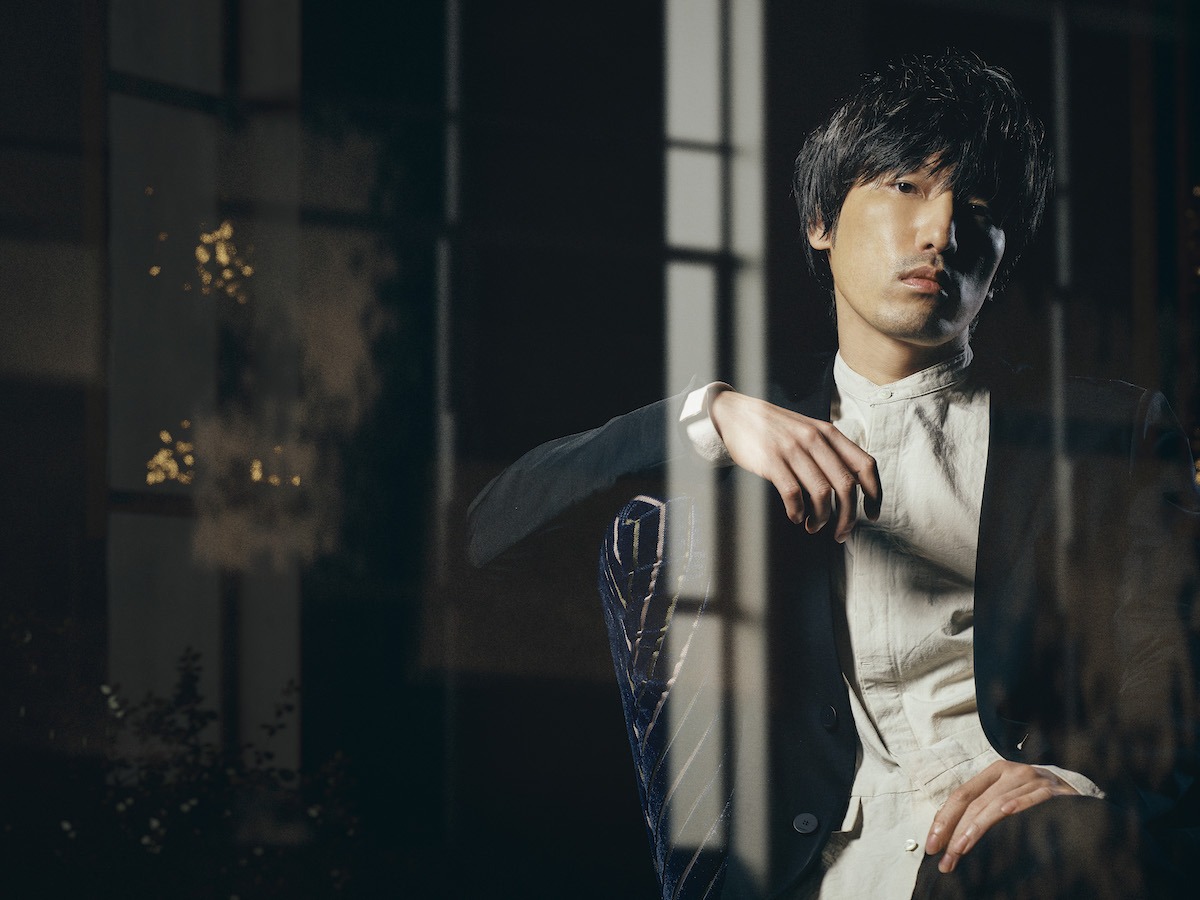
Sawano Hiroyuki speaks


hiroyuki sawano

With the recent digital release of a bunch of composer Hiroyuki Sawano’s amazing anime soundtracks—including a physical vinyl release for his music that fueled TRIGGER’s unforgettable PROMARE anime film, the artist speaks about what composing for anime is really like. Read on to learn more about how Sawano-san got his start, what inspired him to make the type of music for which he’s known, and more.

***

You’ve created so many varied compositions for anime, games, and film over the years. How did you manage to get your start?

When I was a child I was first introduced to the music of Chage and Aska and was very impressed. From then on I aspired to be a musician and began exploring music by Tetsuya Komuro. His work as an artist, producer, and video musician prompted me to want to become a composer.  By high school, I began listening to Joe Hisaishi’s music for Studio Ghibli, which made me more interested in the world of film music, and I began to focus on creating instrumental music.

Were there any specific anime or film scores that moved you and made you want to become a composer yourself?

I’ve seen Ghibli films such as Princess MononokeKiki’s Delivery Service and Whisper of the Heart, as well as works by Takeshi Kitano such as Sonatine

How about outside of anime and film. What kind of music really motivates you, and do you have any favorite artists or groups?

I listen to a lot of international pop rock and soundtracks, such as Aerosmith, OneRepublic, Imagine Dragons, and Fall Out Boy. As for composers, Hans Zimmer, Danny Elfman, Ryuichi Sakamoto, etc.

When you first started composing specifically for anime, what stood out to you about the process? What makes it different from working on projects in other industries?

When I was in charge of the music for Mobile Suit Gundam UC, I set aside four months to concentrate on the production. I had never worked for that long of a time before, but I found it really rewarding to concentrate on a single piece of work. I started to value the production period as much as possible when working on new works after that. Personally, I don’t think there is much difference between producing music for animation and film.

You’ve created a lot of music for dramatic and intense series like Attack on TitanKingdom, and various Gundam projects. Beyond the iconic “Sawano Drop,” what’s your secret to making these soundtracks work so well with the action on screen?

Music for TV animation is created before the animation is completed, so it is rarely created in conjunction with the movement of the video. In the end, the director and sound director think about where the music will fit in and apply it. I try to make sound choices and arrangements that are more emotional for the audience based on the various scenes.

hiroyuki sawanoWe love your work on Kill la Kill and PROMARE! How was your experience collaborating with Studio Trigger?!

Every time I work with director [Hiroyuki] Imaishi, I am greatly inspired. The world view, direction, and characters that he creates are all energetic, which motivates me to create music and I really enjoy working with him.

With well over a decade of work in the anime industry, do you feel there have been significant changes along the way? How does your work today differ from when you first started your career?

What I feel has changed the most is that we are getting more responses from people overseas. On the work side, I feel that the awareness of my production overseas is getting stronger. I think I’ve been able to spend more time making music for each piece of work than when I started my career, and I’m convinced that I can proceed with conviction for each piece, one by one. Since I have gained the impression of creating vocal music, I am receiving more requests for such music.

What was it that first inspired you to launch your SawanoHiroyuki[nZk] project with Aimer back in 2014? Can you tell us a little bit about how that came to be?

I had been working on a lot of vocal music for soundtracks, and I wanted to start a project that would focus more on vocal music.

Your musical catalog is now available to a wider audience. Is there anything you’d like to say to those who are discovering your work for the very first time?

I would be happy if you could listen to it while remembering my work, and even more happy if you could listen to it with your own free imagination.

We’d like to thank Sawano-san for taking the time to speak with us about his music. You can find Hiroyuki Sawano’s music on digital platforms, and look for the PROMARE vinyl to drop on April 12. You can also see more at Hiroyuki Sawano’s official website.

PROMARE
©️ TRIGGER,Kazuki Nakashima/XFLAG

Source: Otaku USA magazine

My blog: Otaku Tokyo (otakutokyojp.blogspot.com)

Wednesday, 27 January 2021

New laws regulating professional cosplayers?


japan's top cosplayer

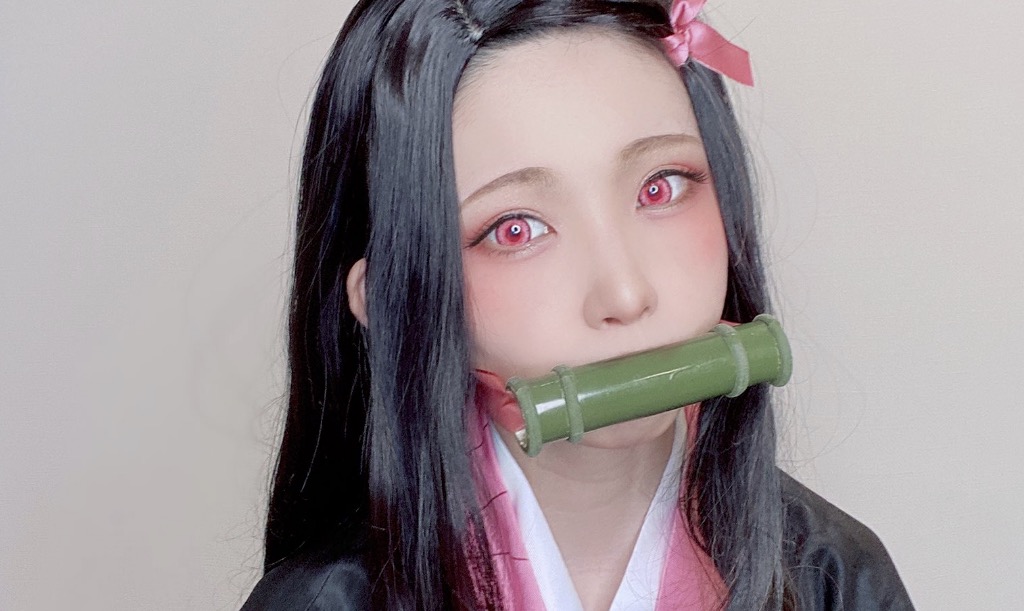
Professional cosplayers in Japan might soon see laws change that involve their line of work. According to Anime News Network, the Japanese government is mulling over “rules that will allow copyright holders to regulate cosplayers for income earned from cosplay activity.”

So far nothing has been decided, and Japanese House of Councillors member Taro Yamada made the point that they’re looking at the issue from both the perspective of the copyright holders and the cosplayers. Japanese people who cosplay just for fun and don’t earn an income would not be impacted if legislation changes.

Famous cosplayer Enako also weighed in:

SoraNews24 supplied this translation for her tweet:

“I think there are some misunderstandings on the information being spread out there about the changes to cosplay copyright, but this article is easy to understand.

I had a discussion with Minister Inoue, and we’re searching for a way to protect copyright without interfering with current cosplay culture.”

She also tweeted this:

SoraNews24 translated:

“Also, I haven’t heard anything about the ban on (cosplay photos being posted to) social media as was written in another article, so I’m anxious to find the truth.

I’m not really in a position to easily give a statement on the issue, but personally I hope that the changes will not regulate social media posts and fan-made activities if they are not for profit.”

And she added this:

“By the way, I’ve said it many times before, but when I’m on TV, at events, or anything else for profit, I take copyright into consideration and do not cosplay characters from published works, but go out in my own original outfits instead.

Whenever I cosplay characters from published works, I do so after obtaining permission from the publisher.”

Source: Anime News NetworkSoraNews24

*********************************************** 

More recent posts:

Japanese mangaka grapple with racism

2021: A year of anime anniversaries

My new book 

Otaku Japan

And don't forget to subscribe to my other blog!


Tuesday, 26 January 2021

Japanese mangaka grapple with racism


 The recent launch of a new manga devoted to tennis player Naomi Osaka offers another chance to consider the way Black characters are portrayed in Japanese comics. 

Here's a story I wrote on this topic for the Monitor. 

Let me know what you think about it.

Ah, and if you want to follow my writing, don't forget to subscribe to my other blog!

Saturday, 16 January 2021

2021: A year of anime anniversaries


Puella Magi Madoka Magica

(10th anniversary)

Puella Magi Madoka Magica

Has it really been ten years since Gen Urobuchi unleashed his tale of magical girl entropy on the world? This first anniversary hardly seems real, since Puella Magi Madoka Magica hasn’t gone far in the intervening years. But it’s true.  Movies and Magia Record aside, this series is a full decade old as of January 7.

Anniversary festivities are underway for the show, so look forward to new surprises throughout the year.


Spirited Away 

(20th anniversary)

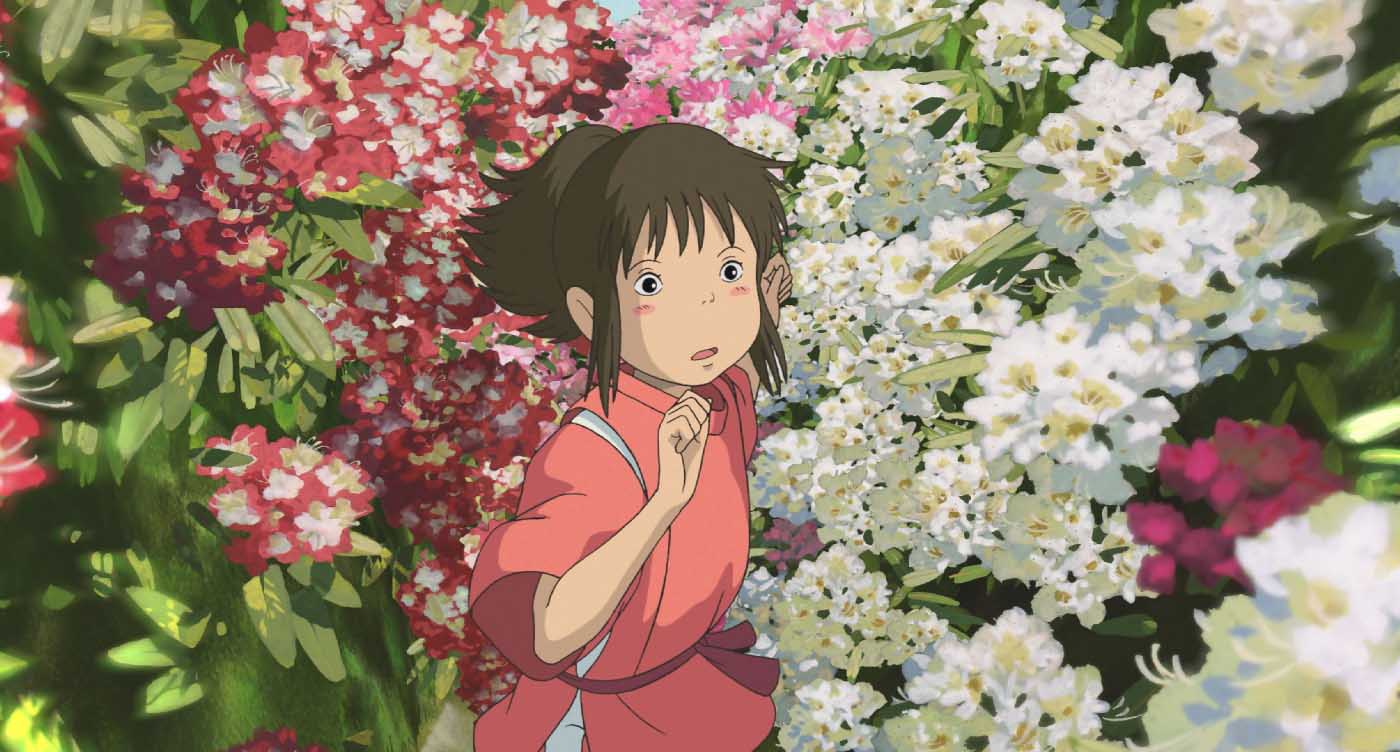
Spirited Away

Of all the anime anniversaries on this list, Spirited Away is probably the only one that coincided with the anime in question getting surpassed in its own Guinness record. Nonetheless, this Studio Ghibli classic is still the first anime ever to win an Academy Award, and continues to reign as one of the greats.

Celebrate this year on the day of its premiere, July 20.


Otaku no Video 

(30th anniversary)

Otaku no Video

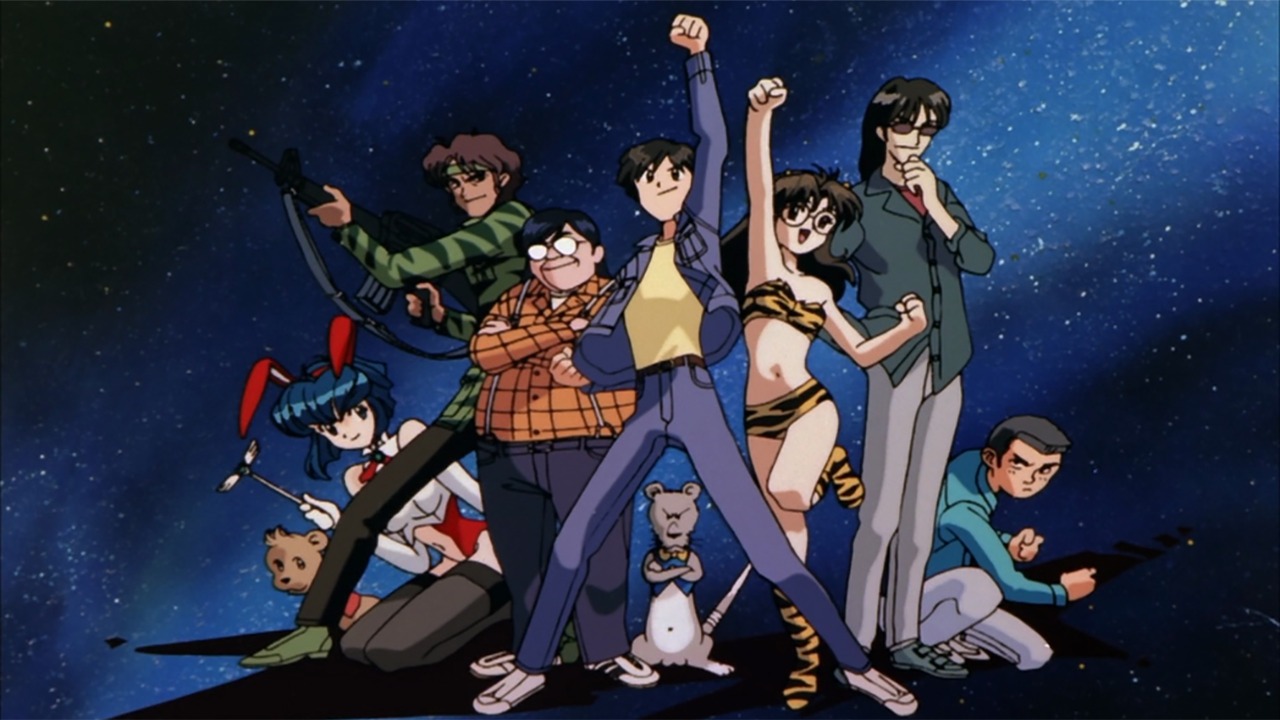
Gainax’s two-part mockumentary about life, love, and otakudom came out back in 1991. The OVA has gone on to become a much-loved anime, offering a tongue-in-cheek perspective on both otaku life and the beginnings of an anime studio.

Relive the magic by celebrating two anime anniversaries in one — on September 27 for Otaku no Video 1982, and December 20 for More Otaku no Video 1985.


Adieu Galaxy Express 999 

(40th anniversary)

Adieu Galaxy Express 999

Leiji Matsumoto’s Galaxy Express 999 was a thoughtful and action-packed tale of humanity and coming of age. But when the series ended, the story wasn’t over. 1981’s Adieu Galaxy Express 999 continues the story after the fallout of the TV series. Tetsuro Hoshino is a teenage freedom fighter, and must board the space train to begin a new adventure.

The film officially hits the big 4-0 on August 1. If you’ve never seen the original series or the 1979 film that came before Adieu, you’ll have plenty to keep you busy.


Lupin the 3rd Part I 

(50th anniversary)

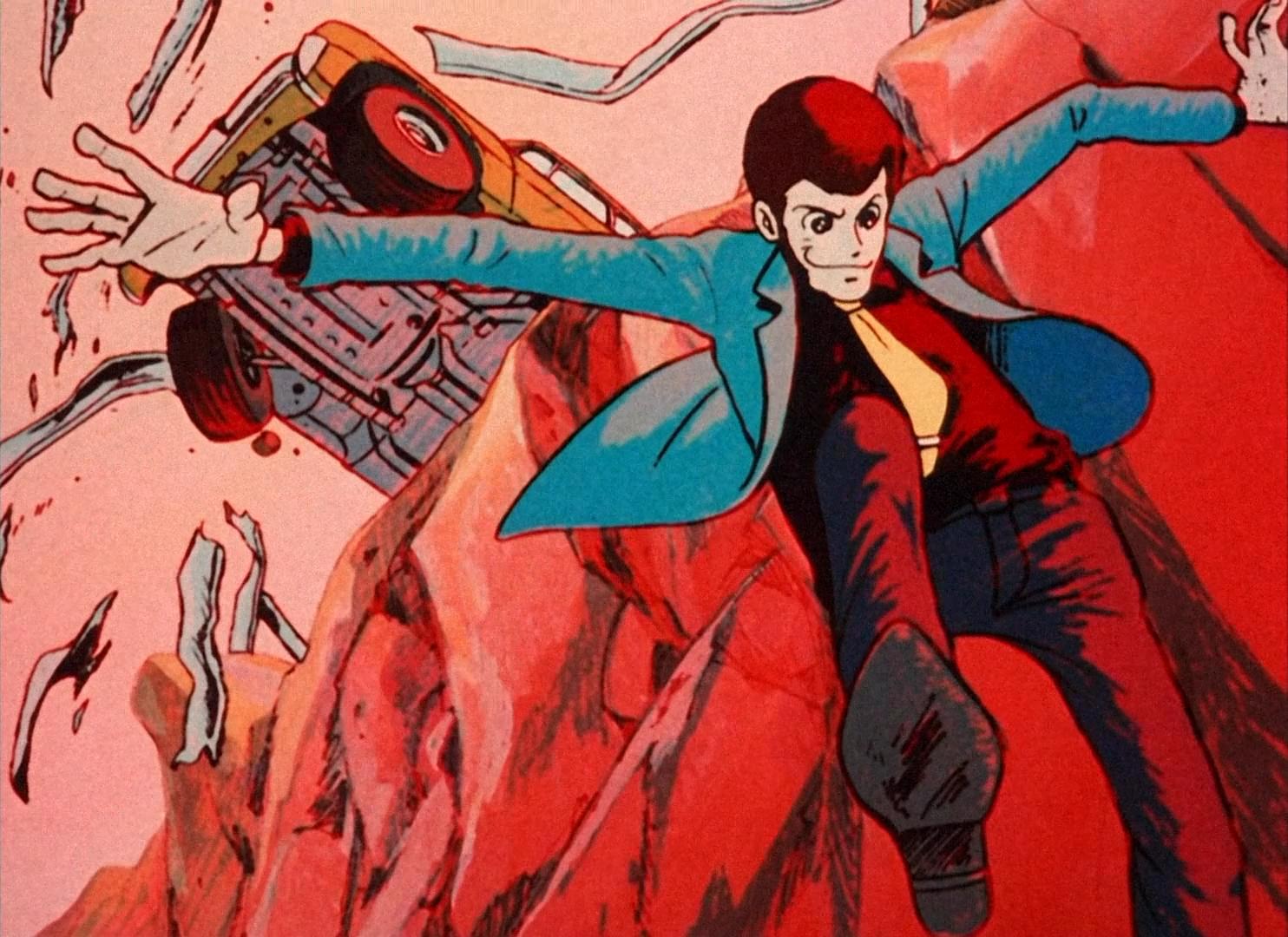
Lupin the 3rd Part I

Wrapping up our list of anime anniversaries is the master thief himself. Four years after Monkey Punch’s manga debuted, the grandson of Arsène Lupin made the jump to anime. “Part I,” a.k.a. the Green Jacket series, premiered on October 24. It ran for 23 episodes, and it would be four more years until he would get the red-jacketed Part II.

Fortunately, there’s so much Lupin out there, you’ll have no trouble finding as much as you want to watch.

And don't forget to subscribe to this my other blog!

Monday, 7 October 2019

My new book

Amazon (US, Japan, UK, and Canada) have started accepting pre-orders for my new book, Otaku Japan Travel Guide.
This is of course the sequel to my "Tokyo Geek's Guide" and covers the whole of the country.


Friday, 17 May 2019

Young Jump magazine celebrates 40 years of great seinen manga


Happy birthday Young Jump magazine!
(Don't forget to click on the link and watch the kickass video)